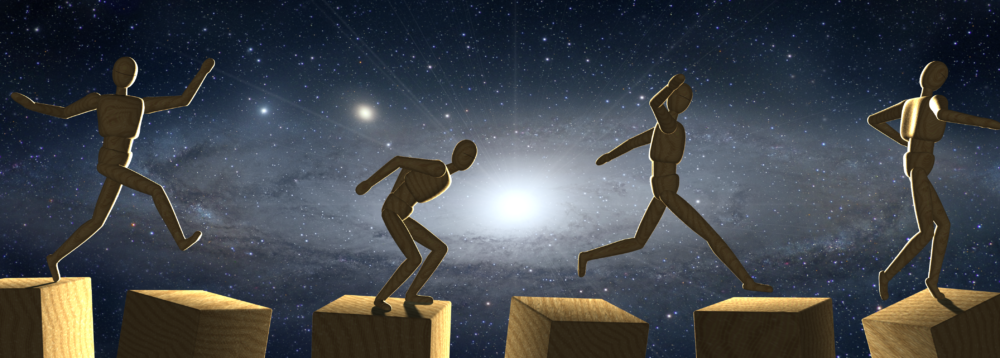
September’s notes went into the final chapters of Visakan Veerasamy’s *Introspect*, Typographical Number Theory in *Gödel, Escher, Bach*, a map of the factions around the AI industry, and the “monkey test” for trading strategies. Patrick finished a sculpture, made for the wedding, and dug up old notes to refresh his context about northern Italy. Continue reading
Automated newsletters based on my notes
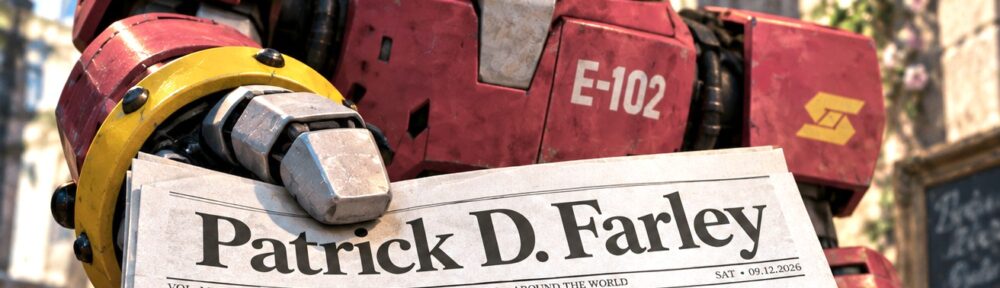
I’ve started publishing monthly newsletters, and the process is mostly automated. This was a freebie, and it’s a way for me to practice “building/thinking in public.” Continue reading
Love across the world (sculpture)
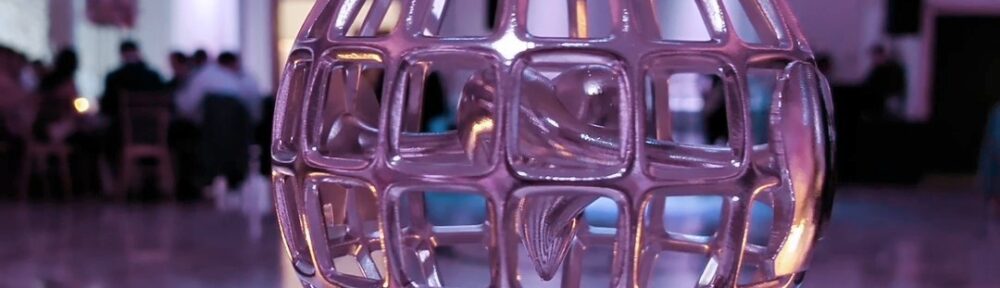
I designed a unique sculpture to celebrate our marriage, and it had me learning lots of new techniques on the fly. Continue reading
Patrick and Pari’s wedding
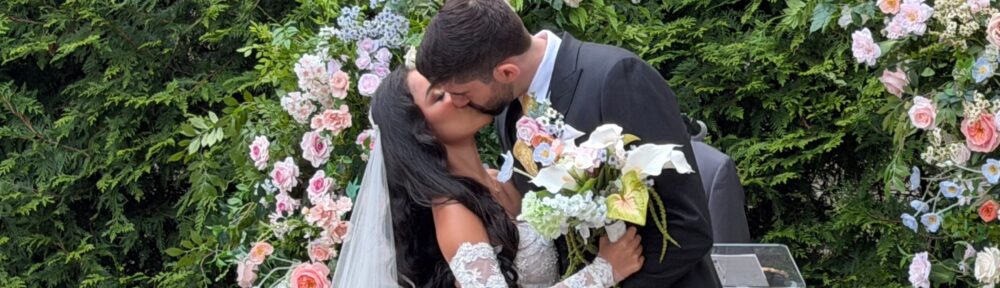
Pariyada and I got married at the Manhattan courthouse in January this year, but we just recently had our big wedding celebration with family and friends. Here I’ll share our relationship story which I wrote for our wedding website (with some photos added in) and the readings we chose for our ceremony. Continue reading
Vault Newsletter, August 2026: Recursion, Ortega on Love, and La Dolce Vita
August’s notes went into a continuing read of *Gödel, Escher, Bach*, a new note on Ortega y Gasset’s essay on love, more chapters of a book on algorithmic trading, and a long entry on *La Dolce Vita*. Continue reading
Vault Newsletter, July 2026: Proof, Desire, and Doing the Reading
July’s notes contain two books about mathematical proof, a psychoanalysis reading, a cluster of frameworks about how to organize effort, and a scatter of one-line ideas. 17 songs re-notated for a band show at Otto’s Shrunken Head. 78 notebook pages photographed and 256 doodles pulled out of them, and a freelance illustration project. Continue reading
Vault Newsletter, June 2026: Old Notebooks, Lost Ornament, and Four Films
Patrick pushed a stack of old college notebooks through OCR — ten subjects, photographed page by page and fed to an AI agent — transcribed to his digital note vault. Elsewhere: an argument about twentieth-century architecture, some films watched and reviewed, and progress on a sculpture project. Continue reading
The continuous tense is disappearing from your life

AI tools are making more and more work trivially easy, which is bittersweet. People love labor under the right conditions: the flow state, the sense of getting better with each rep. As AI claims competence in domain after domain, that particular human pleasure is disappearing. Are we ready to just speak things into existence, like gods? Continue reading
The tech bro ethos, and the end of my job
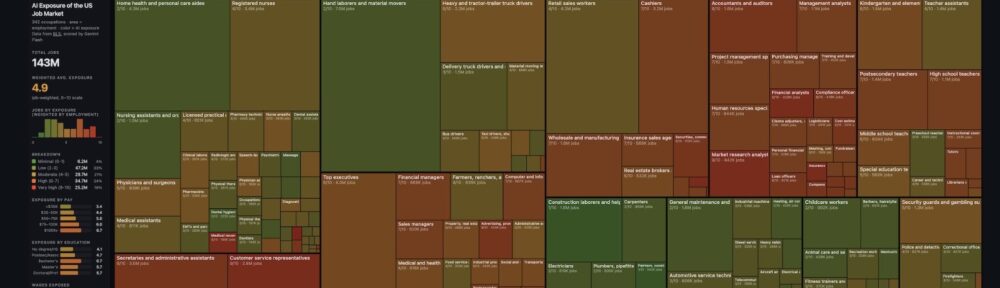
AI is coming for tech jobs first, and most of us are still excited about it. The tech bro doesn’t love work, he loves seeing the job done efficiently. He doesn’t want to hang on to his job, he wants to finish it. Continue reading
Sam Hyde is comedy’s Jungian shadow
Sam Hyde is the Jungian shadow of contemporary comedy. I didn’t know about him for a long time, but when I found him it felt almost like deja vu. All popular comedians stand in dialogue with, not him specifically, but … Continue reading
Optimization problem
This is money, you use it to buy thingsOk I want to use it to buy this TVah…What?Well that’s okay, it’s just that most people use a plastic card for that.How does that work?Well the plastic card represents the digital … Continue reading
New Friend Photo Booth app

After my 30 days of AI experimentation, I’m better able to use the tools available to build small-but-complete software projects. Today’s project is a simple photo booth app that uses your device’s camera to create a vintage-style photo strip you … Continue reading
Commentary on SSC’s In the Balance

When I first read In the Balance on Slate Star Codex, there was something captivating about it, like there was a big point I was supposed to get, but my mind kept getting too tired to grasp it. Anyway I think I got something now. Continue reading
Doing a new thing with AI every day for 30 days
I did a new thing with AI tools every day for 30 days. I recorded these clips mostly for accountability, but there’s some cool stuff in here that I’d like to share. Chapters are timestamped so you can skip around. Continue reading
My fight, 2025

The website is for my personal projects, and this is… something like that. I’ve been training at Zombie Muay Thai in Manhattan for about two years, and in February this year I fought an exhibition Muay Thai match against a … Continue reading