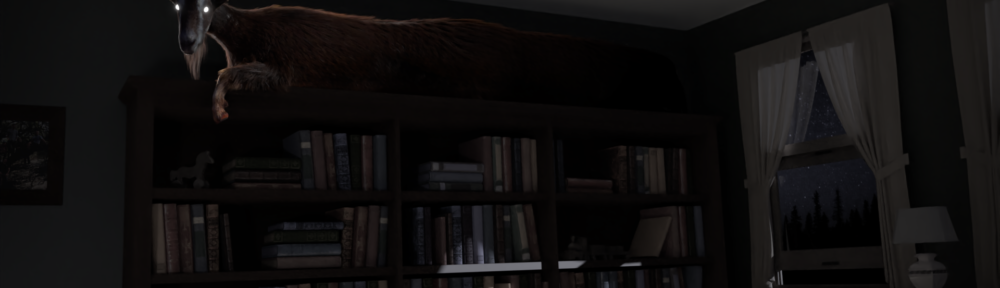
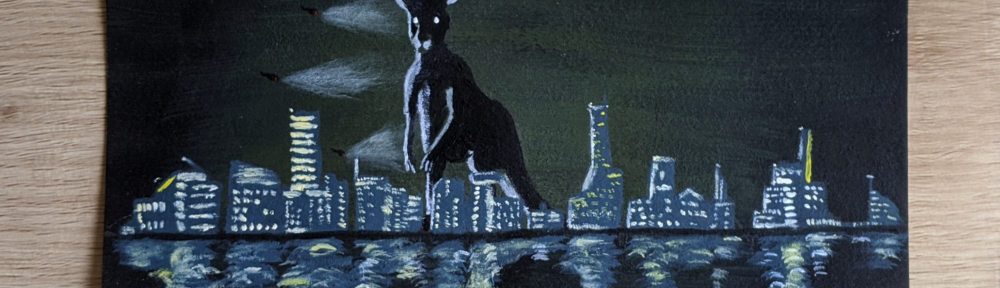
This is a recreation of a scary dream I had when I was very young, maybe four or five years old. It’s the oldest dream I can remember and one of my oldest memories period. The dream was just that … Continue reading
Omen (image)
This is a recreation of a scary dream I had when I was very young, maybe four or five years old. It’s the oldest dream I can remember and one of my oldest memories period. The dream was just that … Continue reading
This image came to my mind a year and a half ago when I was sick and more-or-less stranded in Australia, at the tail end of my vacation, because all the airlines were canceling their service due to covid. I wanted to portray the weariness you feel when a handful of different problems happen to combine around you. Continue reading
This one is about setting goals. In my last post I wrote from experience about some ways to approach problems of willpower and increase our chances of doing the things we most want to do. Closely related to that is the practice of goal-setting. If your goals are stated in detail and align well to your deepest values, you’ll have an easier time justifying the work to carry them out. Continue reading
This one is about willpower. Willpower is definitely an overdone topic in the whole lifestyle-improvement-self-help-literature world. But it seems no one out there is saying quite what I want to say about it, so I have to say it myself. … Continue reading
There’s a weird kind of phenomenon that happens when people use easy-to-fake symbols to try to deceive each other: the symbols become cyclic in their meaning. They flip to mean the opposite of what they once meant, and then they flip back again. Continue reading
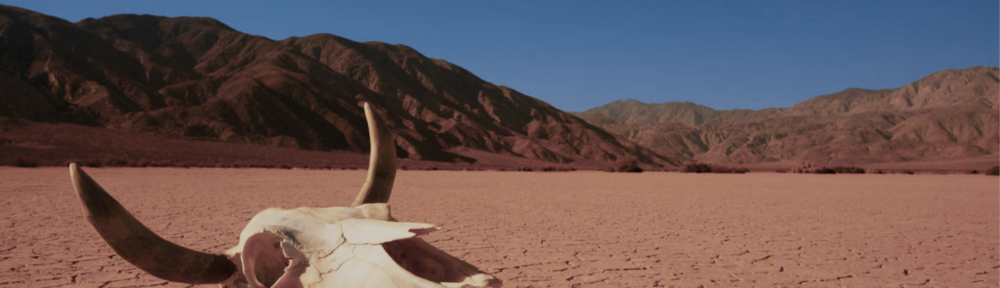
I was in Australia in March of this year, and things were starting to lock down towards the end of my trip because of COVID-19, so my friend and I got some paints and had a painting day. Mine was obviously inspired by the setting. Continue reading
This post presents a model for understanding the different ways that people can relate to symbols and their substance. Back in Part 2, I mentioned that, apart from surrogating on symbols, we can use them as symbols, for the indirect benefits we’ll receive from our audience—this post speaks more to that idea. Continue reading
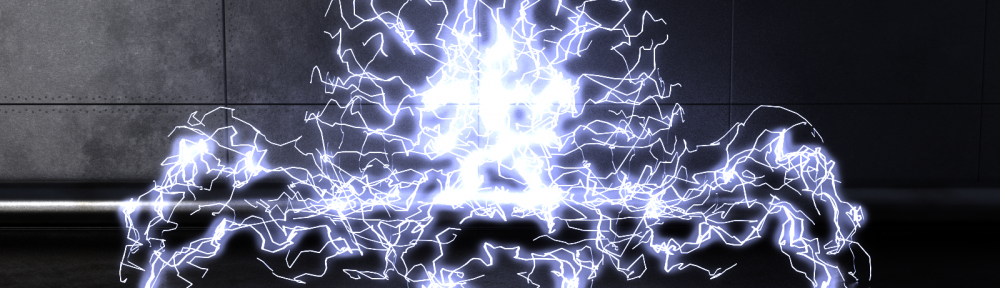
I’ve finished another Blender project—per tradition, this comes from a dream I had. Inspiration I dreamed I was in something like the Nintendo video game Metroid Prime. The Prime series of games features a lone human explorer making her way … Continue reading
The concepts you most readily use to understand your experiences are determined by the language through which you learned them. And that language has been shaped arbitrarily by your own culture as well as cultures that came before it. Only by consciously avoiding those ready-made concepts can you actually notice the full spectrum of your experience. Continue reading
We need symbols because we need to break down our complex experiences into simple comprehensible parts—both for easy communication with others and for easy comprehension ourselves. Continue reading
Remember that language exists as a mechanism for conveying ideas. If the ideas themselves have been effectively shared, you have no honest reason to continue dwelling on the particular words. If you find yourself failing to share the ideas, you should try using different words. And finally, if you’re using words to cleverly obscure ideas in a way that feels advantageous to you, you’re committing deception and should be called out for it. Continue reading
You should stop committing surrogation whenever and wherever you notice it, but there’s more than one way to do this. Continue reading
(If you haven’t read the Introduction and are wondering what I mean by “symbols,” I recommend you read that first.) Part 1: Surrogation Because we deal in symbols every day, and the substances behind those symbols are often agreed upon … Continue reading
A human’s life is full of symbols. A red heart symbolizes love. A red octagon symbolizes the command to stop. A sideways triangle symbolizes the “play” function of a media device. But it’s not just combinations of colors and shapes … Continue reading
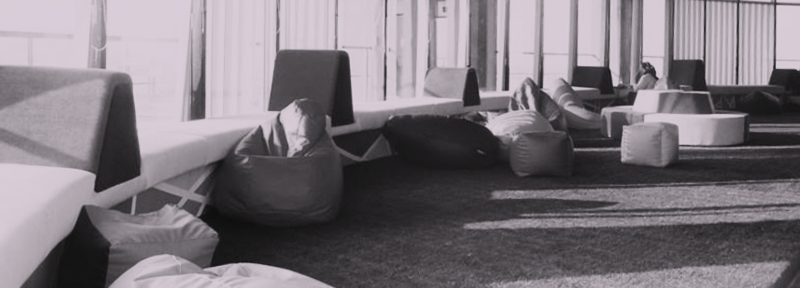
This creation is another indoor space—a large atrium containing three tiered platforms, each being a semi-private space leading up to a curtained-off bedroom area. The platforms are narrow in the center which gives the look of overlapping bridges and leaves most of the atrium as empty space. Continue reading